Digital Detox for Students
Screens are now stitched into nearly every part of student life. Lectures arrive on Moodle, assignments are typed on laptops, and part-time jobs often rely on emails or scheduling apps. Then, when you’re done with work, your phone is waiting with Instagram, TikTok, and Netflix. For students in Dublin — myself included — this cycle often feels like living inside the screen rather than outside it. It’s convenient, yes, but also exhausting. The problem isn’t technology itself. The problem is forgetting to step away. Learning how to unplug, even just for moments, can make the difference between constant fatigue and genuine balance.
1. Recognize the Screen-Time Trap
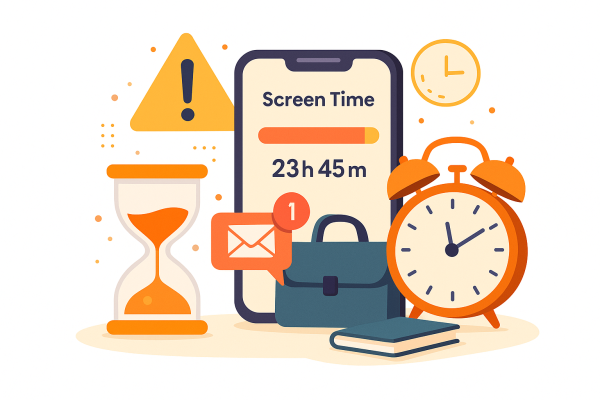
The first time I checked my weekly screen report, I was shocked. Hours I thought I was “just quickly checking” added up to nearly a full day lost every week. That’s a whole lecture, a full shift at work, gone. The trap is subtle: “I’ll reply to one message,” or “I’ll scroll while waiting for the bus,” until your attention is constantly chopped into tiny pieces. Each small interruption leaves you struggling to return to focus. For students, especially in exam periods, these fragments can be costly. Awareness is the first step. Tracking your usage — either with apps or by journaling it for a week — reveals just how much time is slipping away unnoticed.

2. Replace Scrolling with Real Recovery
It’s easy to say “use the phone less,” but harder to actually do it. What helped me wasn’t trying to quit cold turkey, but replacing screen time with something better. Instead of lying in bed with Netflix after class, I started walking down to Sandymount beach or hiking in Wicklow at weekends. Playing soccer with friends, even when tired, gave me more energy than staring at memes ever did. These activities don’t just fill the gap — they recharge in ways a screen can’t. Fresh air, movement, and face-to-face conversations reset the mind and body. I’ve noticed that after a day outdoors, I return to my laptop with focus that no “five-minute phone break” ever gave me.
3. Stick to Tech Boundaries
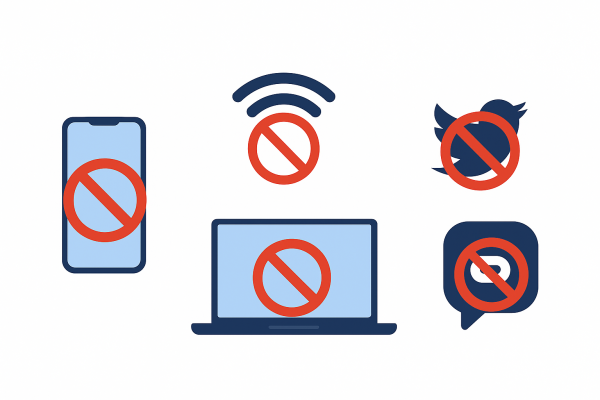
The truth is, technology isn’t going anywhere. I still need my laptop for assignments, my phone to call shifts, and my email to hear back from job applications. The key is building boundaries that fit real student life rather than unrealistic rules. A few things that worked for me:
App limits: Setting my phone to lock Instagram after 30 minutes a day. The small friction makes me question, “Do I really need this now?”
No-screen meals: Keeping my phone away during dinner gave me one quiet pocket of the day to reset.
Scheduled check-ins: Instead of reacting to notifications instantly, I answer messages twice a day. It frees up mental space I didn’t realize I was losing.
None of these are perfect. I still slip. But with even loose boundaries, I feel less controlled by my phone and more in charge of my time.

4. Why It Matters for Students
Students abroad face a unique pressure: balancing study, part-time work, and often the stress of financial independence. It’s tempting to numb that stress by diving into screens, but it backfires. Instead of recovering, you stay wired, overstimulated, and tired. By managing tech habits, you protect the energy you need most — not just for exams and deadlines, but also for the small joys of life here. Exploring Dublin with friends, joining sports clubs, or even reading a book in Stephens Green has more lasting impact than another hour online.
A digital detox isn’t about rejecting technology; it’s about reclaiming balance. Screens will always be part of our studies and work, but they shouldn’t consume every spare moment. By becoming aware of the time sink, replacing scrolling with real recovery, and setting boundaries that actually fit student life, it’s possible to build a healthier rhythm. For me, this shift meant fewer wasted hours online, more meaningful experiences outdoors, and better focus on what really matters: studying well, working responsibly, and actually enjoying the journey.
The irony is that managing screen time doesn’t limit your freedom — it creates it. Freedom to focus, freedom to breathe, and freedom to live beyond the glowing rectangle.